A normal property photo picks its battles: the photographer frames away from the blown out window and shoots the room at its best angle. A 360 camera has no angle. It sees every window, every lamp, and every dark corridor corner in the same frame, at the same moment. That is why light decides more about a tour's quality than the camera does.
The one rule: even beats bright
The panorama's enemy is not darkness, it is contrast. A room where one wall is floodlit by a window and the opposite wall sits in shadow forces the camera to compromise both. Overcast days, mid morning or mid afternoon light, and thin curtains diffusing direct sun all produce the even wash a 360 sensor loves. If you can choose your hour, choose the boring light.
Window glare
Windows will always be the brightest thing in the scene. Three ways to keep them from eating the room:
- Shoot with HDR on. Every current 360 camera brackets exposures and merges them. This is the single setting that most improves interiors, and it is often off by default.
- Do not fight direct sun. If a window is throwing a hard beam across the floor, wait twenty minutes or draw the sheer curtain. The beam will read as a white stripe burned into the panorama.
- Accept a bright view. If the window shows sky, a slightly bright window with a readable room beats a perfect sky over a cave. Buyers are buying the room.
Mixed light temperatures
The subtle one: daylight is blue, halogen bulbs are orange, and older LED strips can be anything. In a 360 scene, mixed temperatures split the room into a cold half and a warm half. The fix is mechanical: either lights all on or lights all off, in every room, consistently across the whole shoot. All on is the safe default because it also lifts the dark corners, and consistency between scenes matters as much as the choice, since viewers hop between rooms in seconds.
Dusk shots: the showpiece
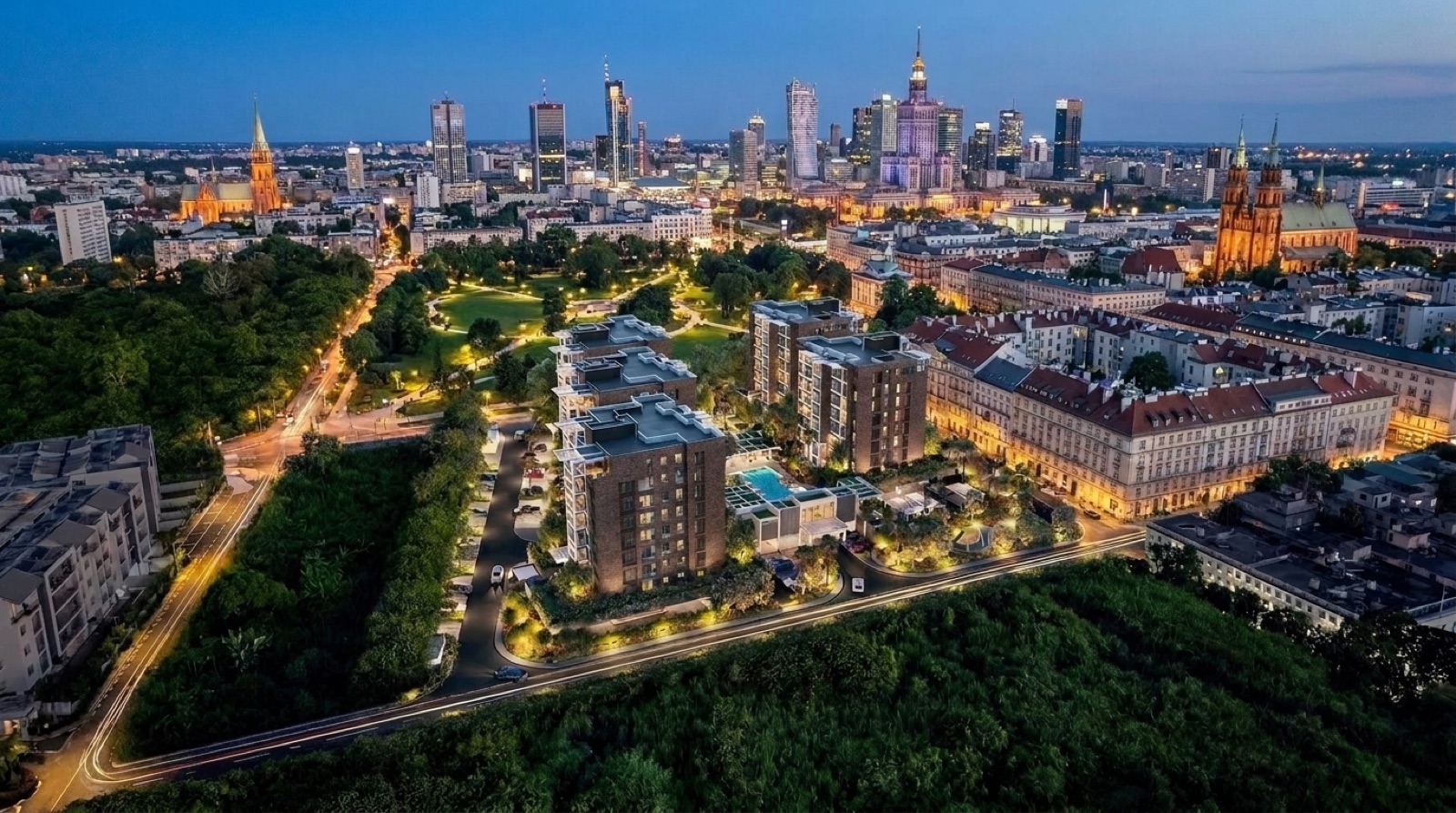
Exteriors, terraces, and rooftop scenes earn their place at dusk. The blue hour, roughly twenty to forty minutes after sunset, balances the sky against interior lights and city glow, and it turns an ordinary skyline into the best scene in the tour. Two practical notes: bring a tripod because exposures get long, and shoot the dusk scene last so the interiors get the daylight.
A shot list that respects the light
Plan the shoot around the sun instead of the floor plan: north facing rooms first (their light barely changes), sun facing rooms when the direct beam has moved off the glass, exteriors at dusk. In Pano the scene order in the tour is independent of the shooting order, so you can shoot for the light and still present the tour front door first.
None of this needs gear beyond the camera and a tripod. It needs twenty minutes of patience, and the panoramas that come out of it need no rescue in an editor.